Today in cinema, films are being produced with the aim of pleasing female audiences, yet very few actually have a dynamic cast of women. In 1991, Thelma and Louise put women in cinema on the map. It delivered a "truth" about women that was rarely, if ever, seen on the big screen, and joined in a momentum of powerful women in television, film, politics, etc. In today's films, women look, act, and deal with life differently than they did in 1991 and the camera captures that.
In 2011, a journalist by the name of Raina Lipsitz, wrote a piece for the Atlantic, on this incredible forward motion for women between 1991-1992 and how after twenty years, the film still resonated for the empowerment of the female race after time lapsed. But what Lipsitz mentions about films today, raises some problems in my book. Lipsitz brings up the Bechdel test for measuring a film's treatment of women, and how there are three things that are required in order for a film to pass the test. They are: (1) there must be two women in it, (2) they must talk to each other, (3) and their conversation must consist of something other than a man or men. According to Lipsitz and Bechdel, films following Thelma and Louise have yet to accomplish this; however, if we examine and dissect Thelma and Louise by these standards, the two characters fail to pass the Bechdel test.

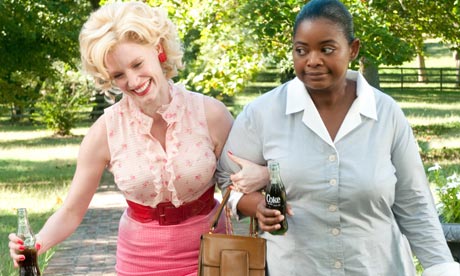
Women in film today may not be defined by the greatness that Thelma and Louise both possessed in 1991, and maybe the characters present in today's film don't redefine or construct a new female gaze for audiences the way Thelma and Louise do, but there is a change. What Thelma and Louise did for female audience members in the early-90s, characters such as Kristen Wiig and Melissa McCarthy in Bridesmaids, Jessica Chastain and Octavia Spencer in the Help, Greta Gerwig and Mickey Sumner in Frances Ha, and many other female duos in cinema today are doing for a new generation of viewers. The Girls-aesthetic, or Millenial perspective, is the main driving force behind much of the dominant sources of media today and with that the depiction of female friendship will change as well. As times change and so do women's rights, the "truth" about women will also change. Problems with men the way that they were for Thelma and Louise do not equate to the problems women face today, and the need to escape from their lives and criminal activity is not the top of the list in today's film. Today strength in women against men or life's troubles, are established through the hardship rather than running from the hardship. The significance of the female friendship, much like that of Thelma and Louise, prevails over the complications men create. That's where the films of today and Thelma and Louise come together. There is no denying the similarities in friendship through these films and how there is often the strong, stable, comforting friend who is whole-heartedly there for the messed up, damaged, subordinate friend through thick and thin. The dimensions of these friendships come from the restrictions that the societal man may place on them, or even just society in its own.
But where Thelma and Louise stray again, comes from how male driven the pressure was. A cast that primarily consisted of men were the opposing forces that ultimately push the pedal, full throttle, and drive the two women off the cliff in the final scene. Today there is so much more than the man driving the forces of women that often never even make it to the metaphorical cliff.
Although Thelma and Louise had its problems in feminism, the stereotyping of women, and its place in the world of cinema in the early-90s, it did provide the opportunity to begin exploring female friendship in a new light. Over the last twenty years or so, the changing in women, their friendships, and their relationships to men are reflected in their changed appearances on camera.